
Biprofed
The product is designed for use as a main functional component of compound feeds and protein-vitamin-mineral concentrates (PVMCs) in livestock, poultry, and aquaculture. The product contains 70-79% crude protein B (B1–14.1 mg/kg, B12–5.6 mg/kg), amino acids, and trace elements.
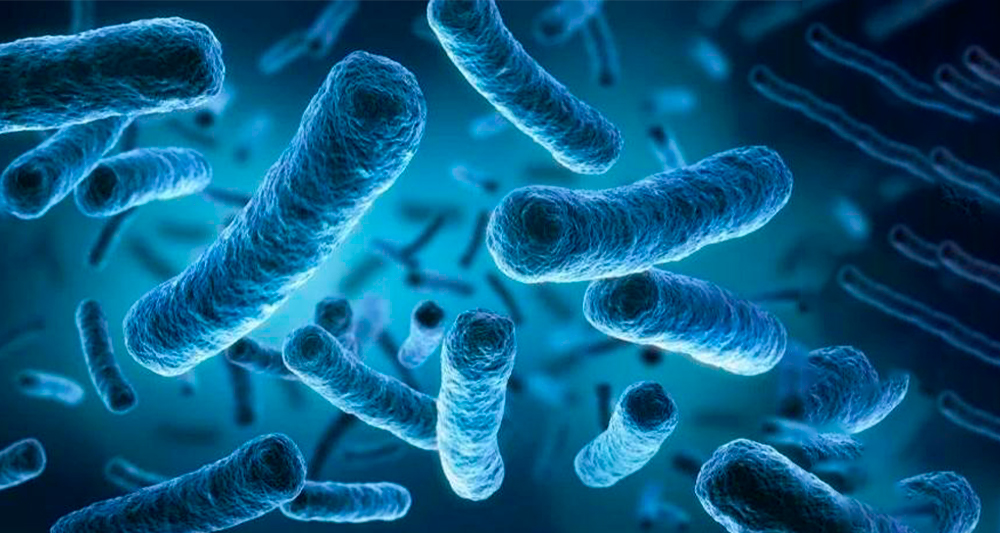
Differing from plant-based protein feeds – cereals and legume crops, including soybeans, Biprofed provides balanced amino acid nutrition for animals, particularly lysine (4%) and sulfur-containing amino acids like serine and methionine (1.7%). Methanotrophic and methylotrophic bacteria are bacteria that utilize methane and methanol respectively.
Under certain conditions, these bacteria actively convert natural gas or methanol. The bacteria multiply rapidly and increase their mass. The mass of methanotrophs and methylotrophs is rich in valuable protein, a set of amino acids, vitamins, and other biologically active substances. The growth rate of microbiological protein significantly exceeds the growth rate of other protein products.
The first stage - creating a pilot installation for scaling the fermentation process on experimental fermenters with a volume of 5 m3 with the aim of developing technological parameters, designing a large-scale fermenter with a working volume of 120 m3, and developing microbiological protein for certification and testing with potential consumers.
The second stage - working design, placement of orders, manufacturing of factory fermenters and construction of large-scale production with an annual capacity of up to 500 thousand tons per year of microbiological protein - a protein-vitamin concentrate Biprofed.
The third stage - expanding large-scale production with a capacity of 500,000 tons per year of microbiological protein Biprofed - a protein-vitamin concentrate with a high protein content (with a protein content of 63% to 79%)
Our Goals








Food Security
By 2050, it is expected that the world population will exceed 9 billion people. With the growth of population comes an increasing demand for food and protein. However, more than 10% of people worldwide already suffer from malnutrition. The increase in demand for protein will likely lead to rising prices for food products, intensify pressure on livestock operations, and affect global food security.
The rapid growth of the human population on our planet makes it one of the most important tasks to ensure that the population has access to adequate and high-quality food products. Solving this task conditions the active development we observe today in all parts of the world in industrial livestock farming, aquaculture, and poultry farming, which require accelerated growth in feed production.
In modern conditions of increasing population density, deficit of land and water resources, unfavorable changes in climate conditions, deterioration of integration links, and intensification of social tensions, there is a need for effective growth in the productivity of livestock and aquaculture complexes to strengthen food security in the Republic of Uzbekistan.
In these conditions, it is necessary to take into account all factors that constitute the efficiency and profitability of production. The main ones are the costs of feed, housing, and transportation. It is impossible to be profitable, produce clean, natural products with competitive selling prices, without implementing modern scientific, first and foremost biotechnology developments.
This project proposes the organization of modern nature- and resource-saving production of feed proteins through the cultivation of microbial biomass in a water-mineral medium saturated with gaseous hydrocarbons.
Thus, it is necessary to take measures to ensure the availability of various sustainable protein sources, as modern intensive animal husbandry needs a large amount of high-quality proteins.
The President of the Republic of Uzbekistan constantly carries out work to strengthen state security, including special attention being paid to food security and improving the living standards of the population.
The President of the Republic of Uzbekistan and the Government have set the following tasks:
- 1. Continued continuous development of agricultural sectors.
- 2. Increase in the volumes of production of food products.
- 3. Ensure food security of the country.
- 4. Reduce the export of natural gas with a transition to its deep processing with the production of finished products with high added value.
Main Problem of Intensive
Animal Husbandry Development
Proposed Solutions to the Problem:
- To establish a domestic base for producing high-quality feed products using modern biotechnologies;
- Implement innovative biotechnologies that enable the production of safe and balanced animal feeds, feed protein, and amino acids from non-traditional raw materials;
- Support the intensive development of animal husbandry, thereby promoting import substitution, increasing export potential, and enhancing food security of the country.
World Trend




World Trends
At present, the leaders in the field of microbial biotechnology development – cultivation and fermentation of microbial protein with processing of hydrocarbon raw materials – are the companies UniBio, Calysta, Adisseo.
Intensive pilot-scale tests have been initiated in Norway, Denmark, and India for organizing innovative enterprises for producing bioprotein based on the use of hydrocarbon raw materials, while the USA has announced that they have already begun construction of a plant with a capacity of 200 thousand tons per year of microbial protein based on gas.
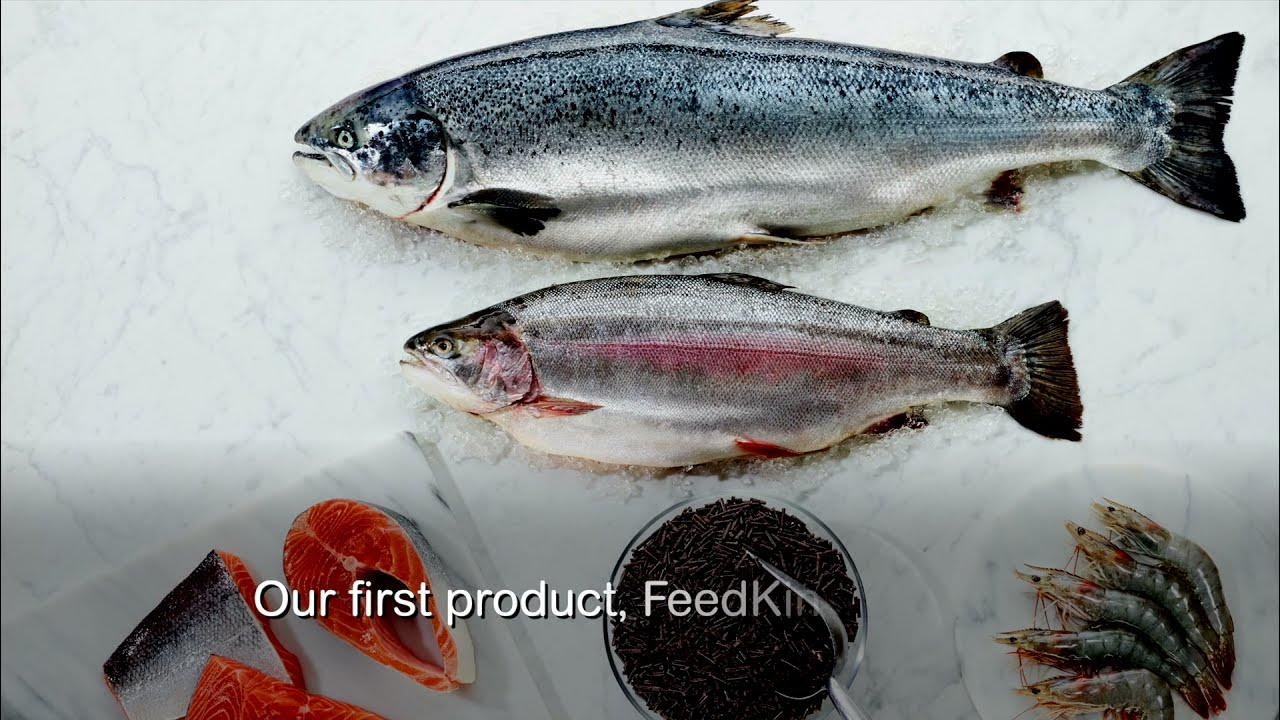
Company Bluestar Adisseo (Adisseo), a world leader in the production of animal feed additives, and a leading world producer of alternative proteins, Calysta, have signed an agreement to create a joint venture under the name Calysseo for developing FeedKind®, an innovative feed solution for aquaculture. As part of this strategic partnership, the first commercial production of FeedKind® in the world will be built in China, with the first phase expected to commence operations in 2024 and supply 20,000 tons of FeedKind® protein annually. The second phase will add an additional 80,000 tons of capacity.
«Adisseo hopes to develop this partnership with Calysta, as this innovative technology will support and accelerate the development of its business in aquaculture, providing additional opportunities to address the dual challenge of meeting global demand for healthier and safer food products. accessible and environmentally safe food products for tomorrow, while contributing to the protection of planetary resources».
UniBio (Denmark) UniBio pilot project - The opening of the first production facility of Unibio, established in the municipality of Kalundborg in Denmark on November 21, 2016, became a notable milestone in the company's development. This testing facility is the first commercial production of U-Loop in the world, capable of producing up to 80 tons of unique single-cell protein Uniprotein® per year.
Indian company String Bio begins commercial production of bioprotein. Intensification of livestock farming requires a sharp increase in the production of feed protein, compensating for its shortage in traditional plant-based feeds. It is expected that by next year, the Indian biotechnology company String Bio will begin commercial production of its "alternative protein" based on methane using the fermentation process. The conversion of methane into meat equivalent String Bio makes this possible. In the future, the source of protein may not be meat that you eat, but one of the most powerful greenhouse gases.
In the Soviet Union, work on creating industrial technology for obtaining protein substances from natural gas began in 1964 at the VNIISintezbelok institute almost simultaneously with the creation of the institute, whose main task was to develop scientific foundations for the technology of producing feed protein from various types of raw materials, particularly from n-paraffins oil, natural gas, diesel fuel, synthetic alcohols and others, and to create industrial technology for producing protein substances from these types of raw materials.
At the end of the 70s of the previous century, organization of industrial production at the Svetloyarsky plant for producing protein-vitamin concentrates (PVC) was initiated. In 1983, a pilot - industrial installation for producing biomass from natural gas with a capacity of 10,000 tons of product per year was put into operation. Over two years, the installation was brought into industrial operation. This complex produced up to 15,000 tons of biomass per year from natural gas until 1994. Due to crisis phenomena in Russia's economy and biotechnology industry, further construction was frozen and production was stopped in May 1994. .

Bioprotein Production
BIPROFED
In modern conditions of population growth, shortage of land and water resources, adverse climate change, and deterioration of integration links during the pandemic, there is a need for efficient growth in the productivity of livestock and aquaculture complexes to strengthen food security of the Republic of Uzbekistan.
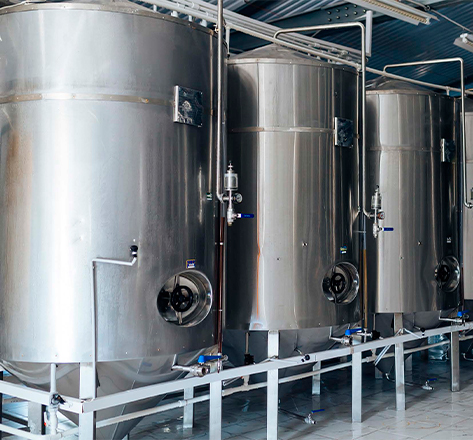
This project proposes the organization of modern natural and resource-saving production of feed proteins through the cultivation of biomass of microorganisms in a water-mineral medium saturated with gaseous hydrocarbons – natural gas. The basis of the process is a bioreactor-fermenter with a membrane feeding device for natural gas and a specially selected strain of methanotrophic bacteria-microorganisms.
More DetailsTRADITIONAL SCHEME OF NATURAL GAS PROCESSING
WITH THE PRODUCTION OF MINERAL FERTILIZERS FOR INCREASING THE YIELD OF CROP FEED

Processing of natural gas (high-temperature reforming) with the production of ammonia and carbon dioxide.
synthesis of ammonia with carbon dioxide for the production of mineral nitrogen fertilizer – urea.

Transportation and application of mineral fertilizers to the soil for increasing the yield of feed crops, soybean crops with increased volumes and improved feed quality.

Increase in the productivity of livestock and aquaculture complexes through the increase and improvement of feed, strengthening the food security of the country.
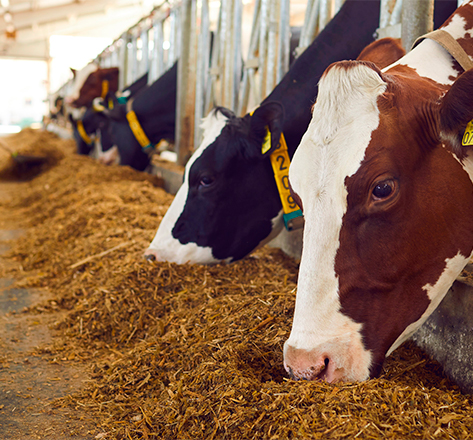
Proteins - the foundation of any life.
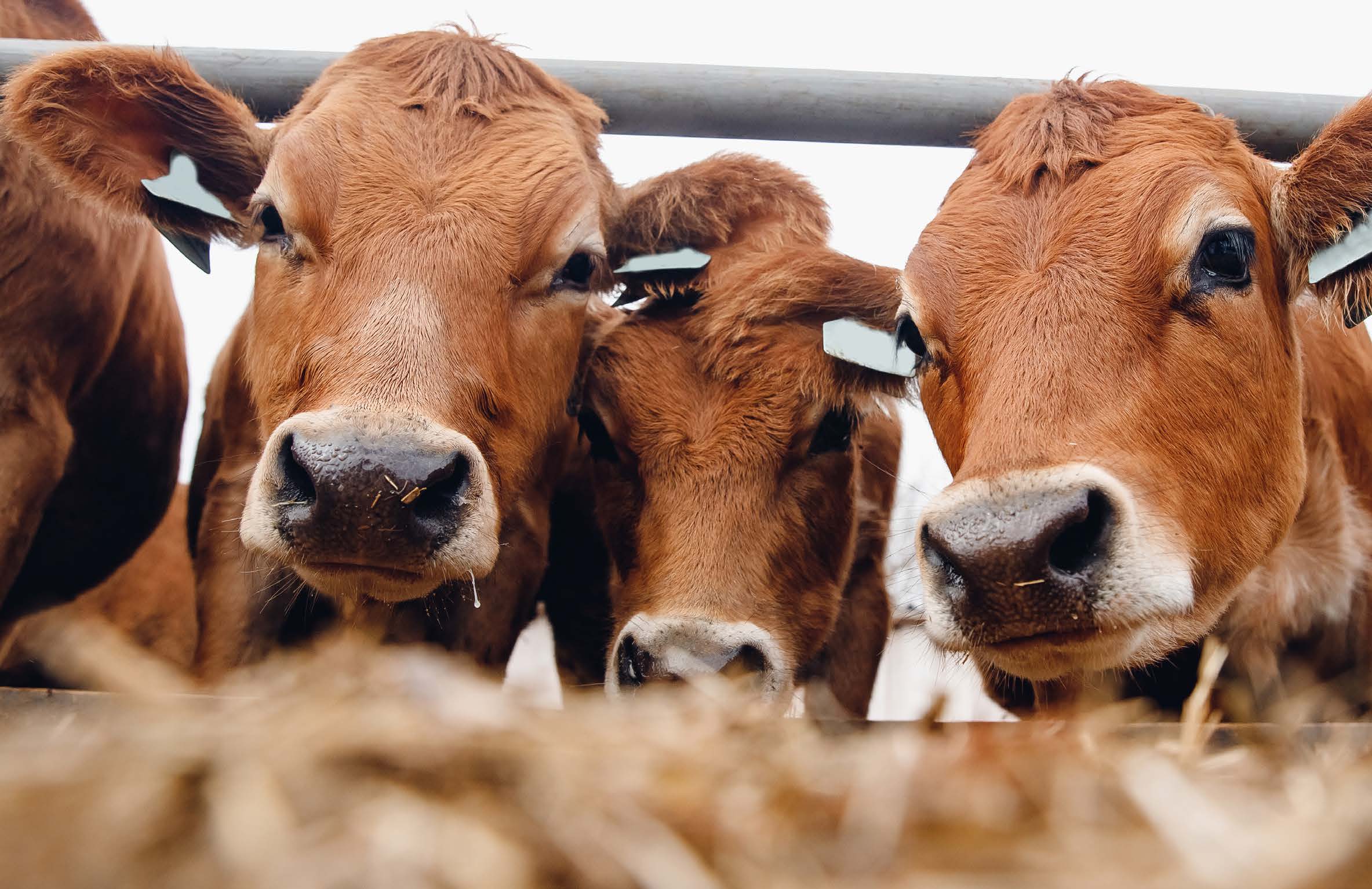
Biprofed, a protein-vitamin supplement for animal feed and feed additives;
Autolysate of feed protein (feed for young animals);
De-nucleated protein (for food products);
High-grade synthesis product (for pharmaceuticals);
Spirulina biomass (in the feed and food segments of biological active additives (BAA)).
NEED FOR ORGANIZING THE PRODUCTION OF BIPROFED
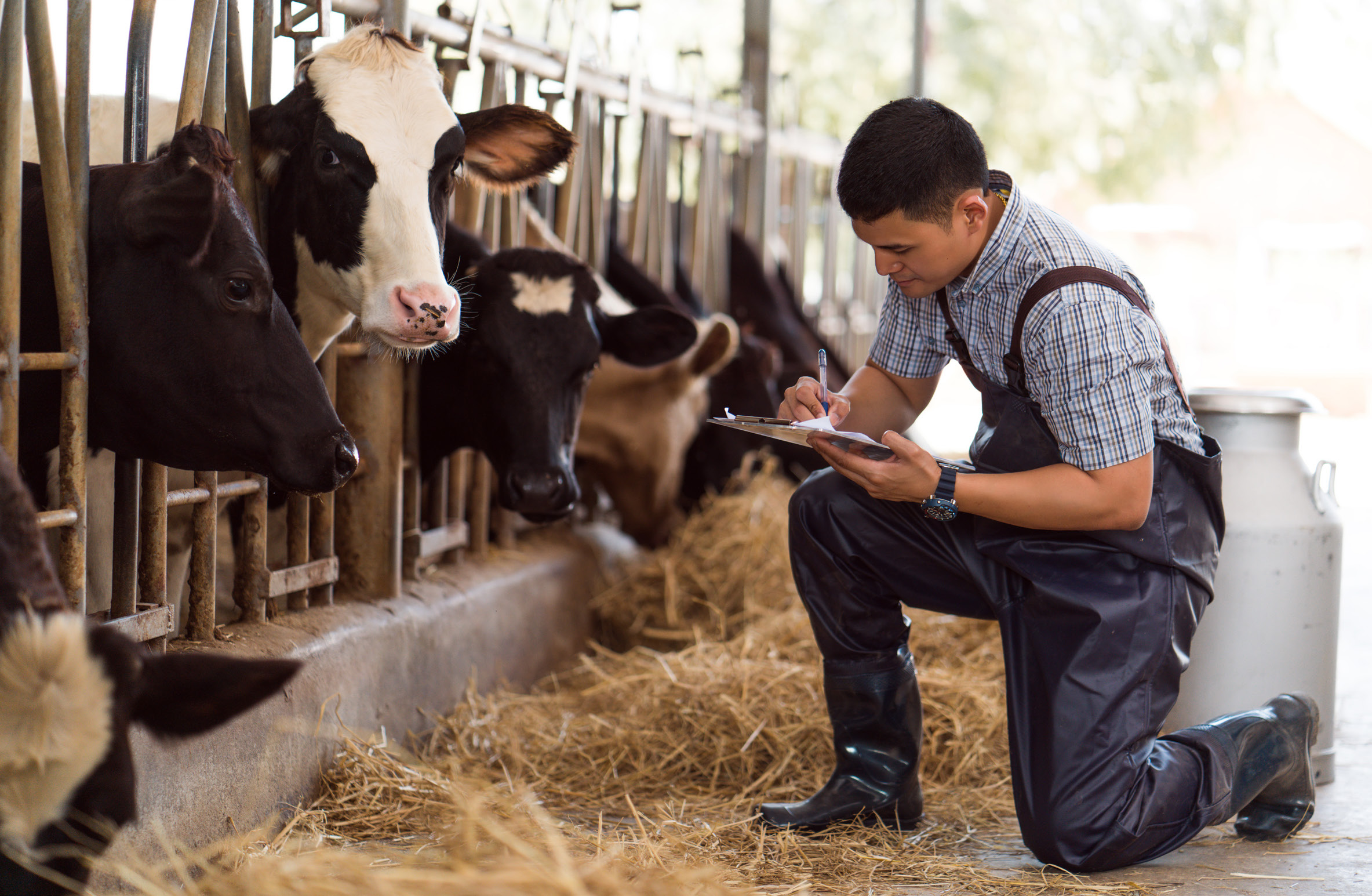
Global climate changes, dehydration and desertification of agricultural lands;
Demographic growth of the population of the Republic;
Need to increase the volume of food production;
Rise in living standards and changes towards increased consumption of meat and fish;
Increased demand for feed protein (used in livestock, aquaculture and food industry).

Safety of Use
Comparative Indicators of Sources
The produced Biprofed – a protein-vitamin concentrate, has successfully passed comprehensive tests in animal and bird feeds of all species and ages. This type of protein compounds effectively balances feeds by protein, vitamins, indispensable amino acids and microelements, on average, in the ratio: 1 ton of protein per 20 tons of feed.
After cleaning the bacterial biomass from ribonucleic acid (RNA) components, we obtain a protein suitable for use in food products. The RNA components, extracted during biomass cleaning, constitute up to 15% of the biomass volume and are a valuable raw material for production ingredients in pharmacy and perfumery, as well as in medical and food industries.
Biprofed is a high-quality protein product with a wide and constantly growing application sector and represents an inactive biomass of methanotrophic bacteria Methyllococcus capsulatus and methylotrophic bacteria Methylococcus capsulatus GBS-15. These bacteria are non-pathogenic, non-toxic, isolated from natural conditions and have not been subjected to genetic manipulation.
Studies on the safety of bioprotein, conducted on laboratory animals as well as on animals, have shown that the material does not possess toxic, carcinogenic, mutagenic and carcinogenic properties. The use of bioprotein in generations of animals at optimal dosages does not lead to changes in generative functions and does not have a negative impact on animal generations.
The results of the wide use of bioprotein in the composition of feeds for agricultural animals, birds, and fish have shown its high nutritional value and safety, as well as the absence of contraindications when using products from animal husbandry, poultry farming, aquaculture, obtained with the use of bioprotein, in human nutrition.
The quality of bioprotein is equivalent to that of animal proteins (fish meal and meat-bone meal), which allows it to be widely used as a substitute for fish meal in the composition of feed rations.
An additional advantage of bioprotein compared to animal proteins is the presence of B vitamins in quantities that meet the needs of animals (this is especially true for vitamin B12).

MARKETING ANALYSIS OF PROTEIN PRODUCTION
| Protein Source | Protein Type | Protein Content | Price per Ton | Country of Origin |
|---|---|---|---|---|
| Soybean meal | Plant-based |
Processed 49-50% Unprocessed 44-46% |
US $418 min. 48% protein |
China, USA, Argentina, Brazil |
| ViloSoy | Plant-based | Concentrate | US $418 | Denmark |
|
HP 300 (Hamlet protein) |
Plant-based | Concentrate | US$ 1,097 | Denmark |
| Fish meal | Animal-based | 62%-70% | US$ 2,388 min 65% protein | Peru, Argentina |
|
Bioprotein Biprofed |
Microbial | 72%-76% | US$ 1,600 |
Analysis shows that the main competing product is fish meal. But with the same protein concentration, it significantly wins in price and quality. Fish meal is banned in European Union poultry farming.
Reference: Biprofed is a complete microbial protein (bacterial biomass from methane-containing gas), representing the biomass of inactivated cells of non-pathogenic methanogenic and methylotrophic bacteria, and is intended for use as a main functional component of compound feeds and protein-vitamin supplements (PVS) in animal husbandry, poultry farming and aquaculture. Biprofed – is not a GMO product.
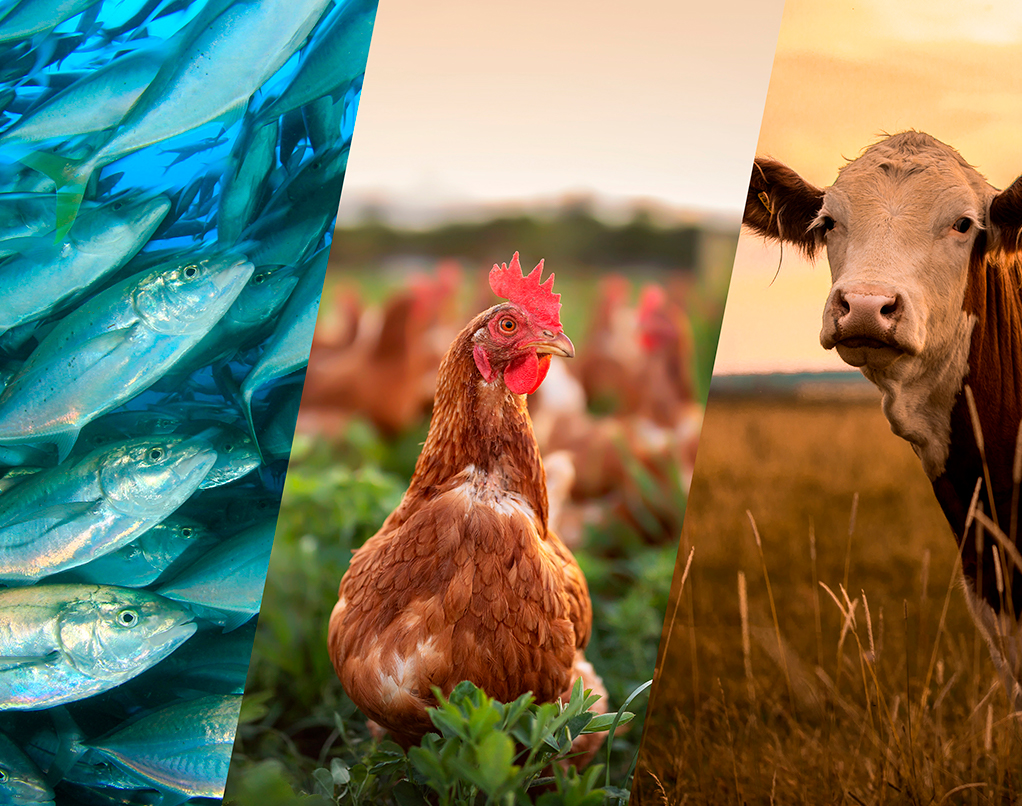
In accordance with the Presidential Decree of the Republic of Uzbekistan dated February 8, 2022 PD-120 «On the Approval of the Program for the Development of the Livestock Industry and Its Sectors in the Republic of Uzbekistan for 2022–2026 Years», it is planned to implement a program of measures that will allow significantly reduce the import of livestock products and protect the domestic market from the impact of external factors.
October 23, 2019, the President's Decree No. UZ-5853 «On the Approval of the Strategy for the Development of Agriculture in the Republic of Uzbekistan for 2020–2030 Years» was signed. The Strategy defines a number of tasks for ensuring the safety and quality of food products at stable prices.
In accordance with the Resolution of the President of the Republic of Uzbekistan dated February 8, 2022 Resolution No. PP-121, "On measures for the further development of livestock farming and the strengthening of the fodder base," set objectives for significantly increasing the country's livestock population and bolstering the fodder base. Furthermore, the Resolution of the President of the Republic of Uzbekistan dated June 14, 2021 (No. PP-5146), "On additional measures aimed at developing the poultry industry and strengthening the sector's fodder base," provides for the implementation of a series of measures to expand poultry meat production. Thus, significant steps are being taken to ensure food security in the Republic.
Implementing the project to produce a protein product based on methanotrophic and methylotrophic bacteria will make a significant contribution to the development of the livestock sector and the country's food security, given that a domestic feed supply is fundamental to such development. Furthermore, it will enhance the economic efficiency of natural gas utilization and boost the export potential of both the microbiological industry and the livestock sector.